Leash, Park, Vet: A Newcomer’s Pet Survival Guide to Beylikdüzü
Americans tend to move abroad with a mental checklist: visa, apartment, SIM card, coffee setup. Pet owners have a longer list. The dog needs a route. The cat needs a window. The building needs to say yes. Beylikdüzü can be a genuinely good place for animals, but it does not hand you the rulebook at the airport. This guide maps the basics without pretending every block or every apartment site works the same way.
Start With the Building, Not the Beach
Before you fall in love with a sea-view apartment, ask about pets in writing if you can. Some sites and landlords welcome dogs and cats; others have quiet clauses about size, number, or common areas. The building manager, often called the kapıcı, is the person who knows how the rules actually work day to day. Be friendly, be specific, and do not assume that because a neighbor has a dog, your unit will be approved automatically.
Apartment etiquette starts in the lobby. Keep your dog on a short leash near the elevator, even if the building feels empty. Carry waste bags. Avoid peak elevator hours if your dog is reactive or noisy. Cat owners should think about window screens and balcony safety; Turkish summers make open windows tempting, and city sounds can spook indoor cats. A little preparation here prevents a lot of awkward conversations later.
The Coastal Strip: Walks With a View
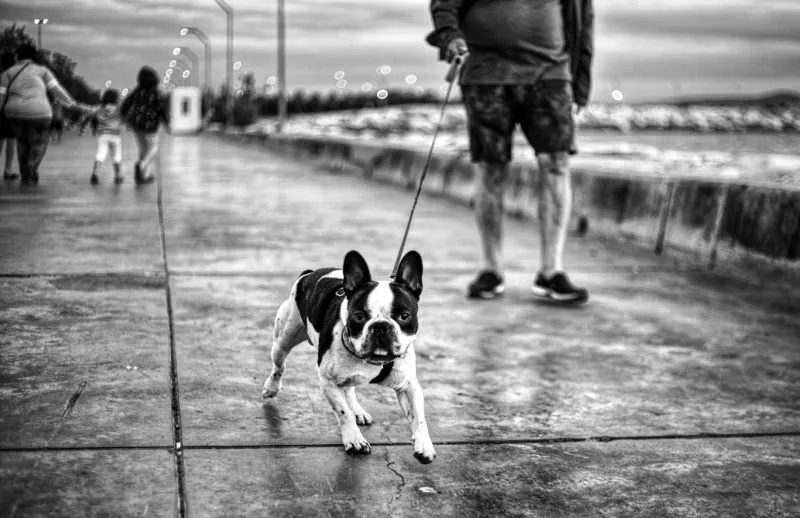
Beylikdüzü’s sahil, the coastal promenade, is the obvious starting point. The long walkway gives dogs room to sniff and owners room to breathe. Early mornings and after sunset are calmer. Weekends bring cyclists, families, and joggers, so keep the leash short and watch for fast-moving wheels.
Bring water, especially from June through September. The sea breeze hides how hot the pavement gets. Not every stretch of coastline is a dog park, and not every beach allows animals in the water. Watch what local owners do, ask if you are unsure, and do not treat the promenade as an off-leash field. The phrase tasmasız, meaning without a leash, is not a default setting here.
Park Etiquette: Yaşam Vadisi and Neighborhood Green Space
Yaşam Vadisi is the big green anchor for many residents, but it is also a shared family space. Dogs are generally expected to stay leashed. Picnic areas, playgrounds, and sports courts are not the place to let a curious dog wander. If your dog is reactive, walk the perimeter and choose quieter paths. Local dog owners often gather at predictable hours; observe the rhythm before joining in.
Neighborhood parks work the same way on a smaller scale. Pick up waste even when nobody is watching. Do not let your dog approach strollers or children without an invitation. Turkish neighbors can be warm and curious, but they can also be cautious around animals. A calm owner with a short leash does more for pet culture than a long speech about how friendly your dog is.
Finding a Vet Without Guessing
Search maps for veteriner plus the neighborhood name: Adnan Kahveci, Cumhuriyet, Gürpınar, and nearby areas all have clinics. Look for one that handles routine visits and another that advertises 7/24 or nöbetçi veteriner, meaning duty vet, for emergencies. Call ahead before you show up with a stressed animal. Many clinics use WhatsApp for appointments and follow-up questions.
Ask about mikroçip, the microchip, and aşı karnesi, the vaccination card. Keep digital photos of both. If you plan to travel with your pet, ask specifically about pet passports and export paperwork; not every clinic handles travel documents the same way. Payment by card is common, but confirm before treatment if cost is a concern. In an emergency, ask the clinic to explain the estimate clearly and slowly. It is okay to say you need a moment.
Pet Supplies and Food
Mama means pet food. A pet shop is an evcil hayvan dükkanı. You will find small shops on neighborhood shopping streets and larger pet chains near malls and main roads. Online delivery works well for heavy items, but local shopkeepers often give practical advice and will remember your brand. Kedi kumu means cat litter; tasma means leash or collar. If you need a carrier, say taşıma kutusu and show a photo on your phone.
Buy the basics first: waste bags, a water bottle, a sturdy leash, an ID tag with a local phone number, and a familiar blanket from home. Do not wait for a crisis to find the nearest open pet shop. In summer, never leave an animal in a parked car, even for a few minutes. The heat is not a rumor.
Unwritten Rules of Apartment Life
Noise is the big one. Hallways echo. A dog that barks at every doorbell can turn neighbors into adversaries fast. Exercise before leaving the dog alone, use a fan or white noise, and ask a neighbor to text you if barking becomes a problem. Cat owners should secure balcony screens and keep litter boxes away from shared ventilation if possible.
Do not let pets roam common gardens or stairwells. If your site has a shared garden, ask before using it as a pet area. Some buildings ban pets over a certain size; others tolerate dogs but not cats, or the reverse. The rule may be written, oral, or simply enforced by the kapıcı’s expression. Be honest, be clean, and be the neighbor who makes pet ownership look easy.
A Short Checklist for the First Week
- Ask the landlord or building manager about pet rules and common-area limits.
- Locate two vets: one for routine care, one for nights and weekends.
- Buy waste bags, a local ID tag, and a water bottle for walks.
- Find the nearest green space and learn its quiet hours.
- Keep vaccination and microchip records on your phone.
- Meet the kapıcı and ask how waste and elevator etiquette usually work.
The Takeaway
Beylikdüzü rewards pet owners who move slowly. Watch what locals do, ask before assuming, and treat shared space as genuinely shared. Your dog will find the rhythm of the coast and the park. Your cat will claim the sunniest window. Your job is to make sure the building, the vet, and the neighborhood all know you are paying attention.