The Quiet Economy of Secondhand: Inside Beylikdüzü’s Swap, Repair, and Rehome Culture
In the United States, secondhand often means a thrift store, a Facebook Marketplace meetup, or a guilt-free Saturday drop-off. In Beylikdüzü, it is more layered. There is the bit pazarı, the flea market. There are apartment-group swaps, online listings, repair craftsmen, and the neighbor who knows exactly who needs a stroller. It is not just a budget strategy. It is a quiet economy that hums under the neighborhood’s surface.
The Bit Pazarı Is a Morning Sport
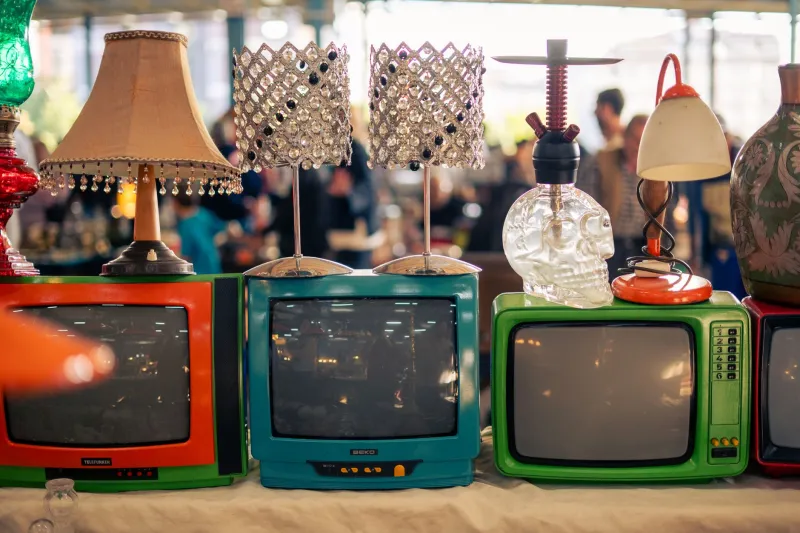
Flea markets reward early arrivals. Go before the crowds, bring cash and small bills, and wear shoes you can slip off if you need to step into a seller’s van. You will see furniture, kitchenware, books, toys, lamps, tools, and the kind of ambiguous electronics that require either optimism or a voltmeter. Not every item is antique. Not every price is fixed.
Haggling is normal but not aggressive. Ask Ne kadar? and listen. Bundle two or three items and suggest a round number. If the seller says no, smile and move on. Check drawers, seams, and bottoms of chairs. Ask whether delivery is possible; some sellers will move a table for a fee, but you need to arrange it on the spot. Bring a friend with a car if you are serious about furniture. And bring a measuring tape. Doorways here are not all generous.
The Neighborhood Swap Group Is the New Front Porch
Apartment complex chats and local Facebook or WhatsApp groups are where a lot of secondhand life happens. People post takas, meaning swap, or ücretsiz, meaning free. A stroller goes to a new mother two blocks away. A bookshelf disappears before dinner. A cat carrier circulates through three families and returns with a new scratch.
If you are new, join both expat groups and Turkish-language neighborhood groups. The expat groups are easier to read; the Turkish groups are where the real local circulation happens. Use a translation app, be polite, and follow through. Do not claim an item and then ghost. Do not resell a free item without saying so. Meet in the lobby or a nearby café, not a dark stairwell. The economy runs on trust, and trust here is built in small, boring ways.
Repair Shops Keep the Circuit Alive
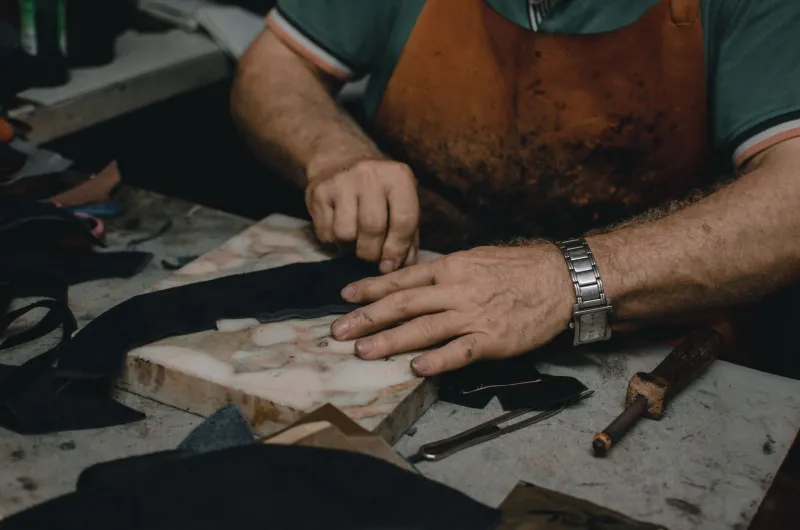
A big part of the secondhand economy is not buying at all. It is fixing. Tailors, shoe repair shops, electronics technicians, upholsterers, and lamp repairers keep furniture and clothing in use far longer than a US suburban replacement habit would suggest. The phrase to learn is tamir olur mu?, meaning can this be repaired?
A wobbly chair, a torn jacket, a lamp with a loose wire, a suitcase with a broken wheel: all of these are candidates. Small shops cluster in commercial streets around Cumhuriyet and Adnan Kahveci, and many are cash-first. Ask for a price before leaving the item. If the repair costs more than half the replacement price, decide whether sentiment or sustainability is driving you. Sometimes it is worth it. Sometimes it is not.
Online Marketplaces: Letgo, Dolap, and the Art of the Meetup
Letgo is common for furniture and household goods; Dolap is more clothing-focused. Clear photos matter. Include dimensions, neighborhood, and whether the item is pickup only. Turkish messaging can be direct, so do not read brevity as rudeness. Confirm the time and address twice. Meet in a public place when possible, bring exact cash, and test electronics before paying.
Lowball offers are part of the game. Do not take them personally. If you are selling, price a little high and expect negotiation. If you are buying, ask whether delivery is possible and whether the seller can send a short video of the item working. A five-second video of a lamp turning on saves a twenty-minute trip.
How to Furnish a First Apartment Without a U-Haul
Start with the things you should buy new: mattress, pillows, upholstered items you cannot inspect closely, and anything that plugs into a wall and heats up. Secondhand works well for tables, shelves, kitchenware, lamps, picture frames, and solid wood furniture. Inspect wood for pests. Sniff upholstery. Open drawers. Ask why the item is being sold. If the answer is vague, move on.
Measure your elevator and doorways before buying a sofa. In Beylikdüzü, a great deal on a couch can become a terrible afternoon on a stairwell. Clean everything before it enters your home. For fabric items, sunlight and a hot wash help. For wood, wipe down and let it dry. The goal is not a perfect apartment. It is a functional one that did not cost a fortune or a forest.
The Sustainability Angle, and the Caveats
Secondhand keeps usable goods out of waste streams and keeps money in the neighborhood. It also reduces the packaging and shipping footprint of new furniture. But it is not automatically safe or fair. Electronics can fail. Beds can carry pests. Sellers can disappear. Use common sense, test what you can, and do not buy anything you cannot carry or inspect.
There is also a social side. When you buy from a neighbor, you learn who repairs what, who has a van, who is moving, who needs a crib. That is the quiet part. The economy is not loud. It does not have a logo. It runs on messages that say kapıda bıraktım, I left it at the door.
A Practical First-Month Plan
Week one: join two or three local groups and introduce yourself. Week two: visit a weekend bit pazarı with cash and a measuring tape. Week three: find a tailor and a small electronics repair shop near your apartment. Week four: host or attend a swap. If you are leaving Beylikdüzü, post your items early and price them to move. The neighborhood will absorb them.
The Takeaway
For Americans used to one-click buying and curbside donation, Beylikdüzü’s secondhand culture can feel slow at first. Then it becomes obvious. The city is not just selling you things. It is circulating them. Once you join the circuit, your apartment gets furnished, your clutter finds a new home, and your Saturday morning gets a little more interesting.