Beylikdüzü'nde Kaybolmadan Var Olmak: Yeni Gelenlerin Bilmesi Gereken Yazısız Kurallar
Let's be honest: nobody hands you a manual when you move to a new neighborhood in a foreign country. You figure things out the hard way — through awkward silences, accidental offenses, and the occasional moment where someone's grandmother looks at you like you've just committed a minor crime against civilization.
Beylikdüzü has its own social operating system, and while it's warmer and more forgiving than most, it does run on a set of unwritten expectations that can make the difference between feeling like a welcomed guest and feeling like a permanent outsider. We've spent time with long-term residents, expats who've earned their stripes, and a few people willing to share their most embarrassing early mistakes. Here's what we learned.
Tea Is Not Optional. Tea Is a Conversation.
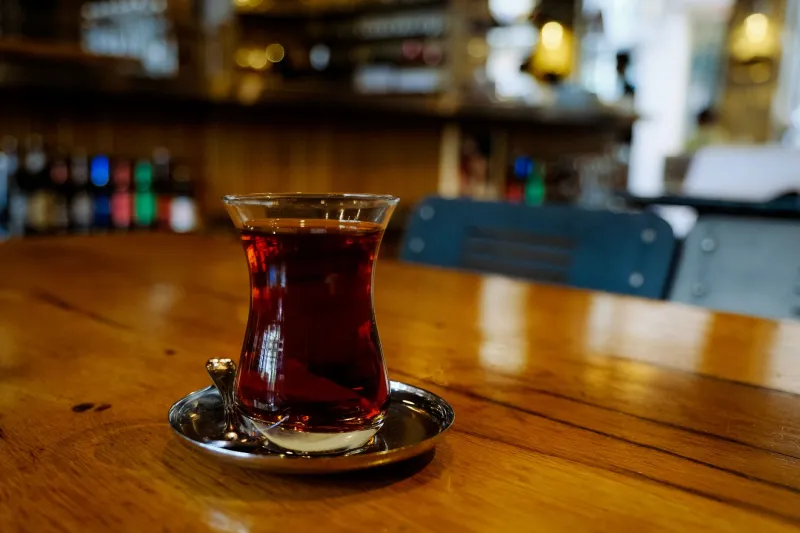
If someone offers you çay — the small tulip-shaped glass of black tea that fuels essentially all human interaction in Turkey — you accept it. This isn't about thirst. It's about signaling that you're willing to be present with another person for a few minutes.
Refusing tea in Beylikdüzü isn't rude exactly, but it does register as a kind of social withdrawal. The tea offer is an opening move. Saying no is like responding to "How are you?" with a detailed medical history — technically valid, but it shuts the whole thing down.
The ritual matters too. You don't chug it. You don't ask for it in a to-go cup. You sit, you sip slowly, you make conversation — or at least the gesture of conversation. Even if your Turkish is limited to three words and a shrug, the willingness to sit and try counts for a lot.
One American expat we spoke with, who asked to be identified only as "the guy who now owns four çay glasses," described his early mistake: "I kept asking for coffee because I thought tea was just the default option. My neighbor looked genuinely wounded. It took me two weeks to figure out what I'd done."
The Waterfront Has a Social Hierarchy (and It's Completely Unspoken)
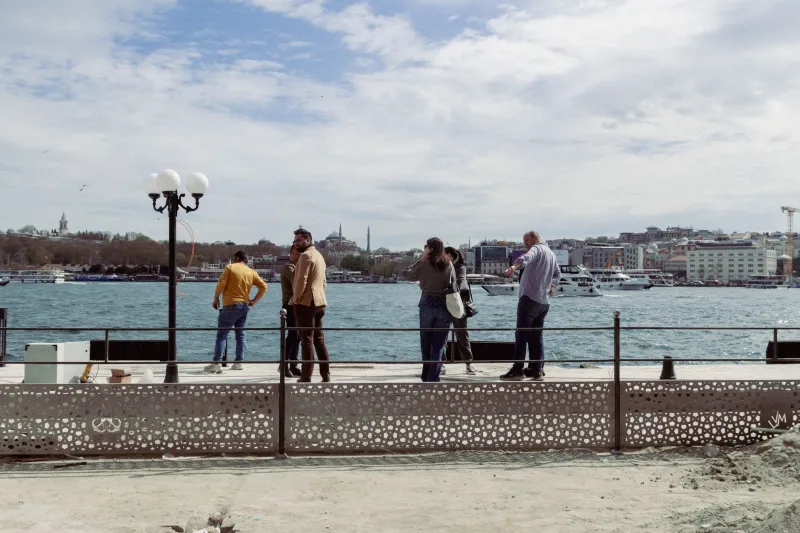
Beylikdüzü's promenade along the Marmara coast is the neighborhood's central public stage. Families claim their regular benches. The older gentlemen who play backgammon at the same table every evening have been doing so, some of them, for over a decade. The group of women who walk together at 7 a.m. have an established route and pace that you do not interrupt.
This isn't unwelcoming — it's actually one of the most charming things about the place. But it does mean that newcomers who treat the waterfront like a generic public space miss something important. You're entering an established social landscape. Move through it with awareness.
Practically speaking: if you're going to run or bike on the promenade, be genuinely careful around pedestrians, especially elderly ones. Headphones in both ears is considered slightly antisocial — one ear out is the local compromise. And if you stop to watch the sunset, which you absolutely should, stand to the side rather than directly in front of whoever was there first.
Volume Is a Virtue (But Only for the Right Things)
Beylikdüzü is not a quiet neighborhood in the way that, say, a suburb in the American Midwest is quiet. There's noise — markets, children, the occasional overly enthusiastic vehicle — and it's accepted as part of communal life. But there's a specific kind of loudness that doesn't land well: the tourist loudness of treating public space like your personal backdrop.
Speaking very loudly on your phone in a café, for example, draws quiet disapproval. Playing music from a speaker at the waterfront without headphones is tolerated but noted. Complaining loudly in English about things not meeting your expectations is the fastest way to become invisible to the people around you — not through hostility, but through a collective, dignified withdrawal of attention.
Conversely, laughing loudly with people you know, greeting shopkeepers with genuine enthusiasm, and participating visibly in neighborhood life? That's the right kind of loud. People notice when you're actually happy to be somewhere.
Learn Ten Words. Use Them Relentlessly.
You are not expected to be fluent. Nobody is going to quiz you. But the effort of learning even a handful of Turkish words and deploying them consistently — merhaba (hello), teşekkürler (thank you), güzel (beautiful/nice), lütfen (please) — signals something important: you're here, you're paying attention, and you respect the place enough to try.
In tourist-heavy Istanbul neighborhoods, this barely matters because locals are accustomed to navigating language barriers with visitors. In Beylikdüzü, where the expat population is still relatively small and the neighborhood hasn't been optimized for foreign consumption, it matters considerably more.
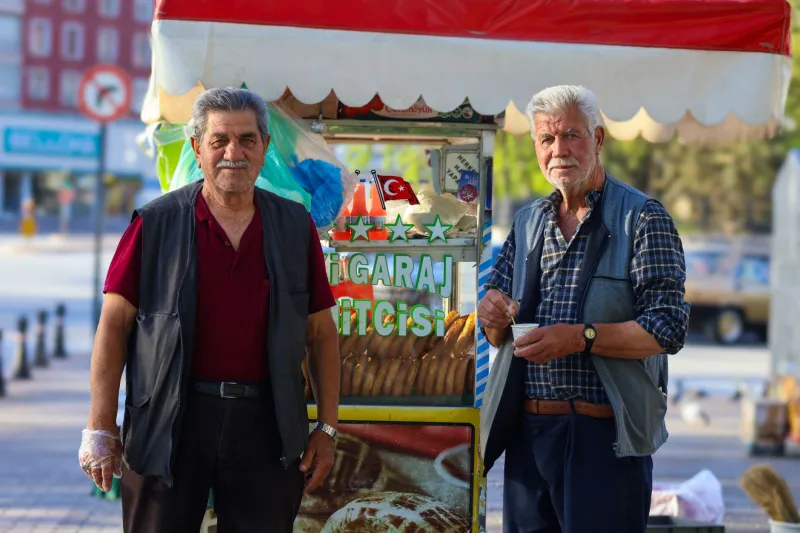
Several residents mentioned that their relationships with local shopkeepers, neighbors, and the building manager shifted noticeably once they started greeting people in Turkish rather than defaulting to English. "The baker started saving me the good simit before it sold out," one nomad told us, sounding genuinely proud. "That took about three weeks of consistent günaydın [good morning]." Small wins, but they compound.
Shoes at the Door Is a Question, Not an Assumption
If you're invited into someone's home — and if you stick around long enough, you will be — watch what your host does at the entrance. In most Beylikdüzü households, shoes come off at the door. Slippers are often offered to guests. Following this without being asked is noticed and appreciated.
If you're hosting Turkish neighbors or colleagues at your place, the same courtesy applies in reverse: don't make them feel weird about bringing their shoes inside if your setup doesn't accommodate the ritual. Flexibility is respected too.
The Unwritten Rule Beneath All the Other Rules
Every specific piece of etiquette described above is really just a variation on a single underlying principle: show up as a participant, not a spectator. Beylikdüzü is a living neighborhood with deep social roots, ongoing relationships, and a collective identity that predates your arrival by decades. The people here aren't performing authenticity for visitors — they're just living their lives.
The newcomers who thrive here are the ones who understand that integration isn't about mastering a checklist. It's about genuine curiosity, consistent presence, and the willingness to occasionally look a little foolish in the process of learning. The neighborhood rewards that. Slowly, warmly, and usually over tea.