When the Bakery Is Closer Than Your Car: Relearning Closeness in Beylikdüzü
I grew up in a place where nearby meant a five-minute drive. The grocery store was nearby. The school was nearby. The pharmacy was nearby, as long as the parking lot was not full. Walking was what you did for exercise, not for errands. Then I moved to Beylikdüzü, and nearby started to mean something literal.
The Suburb I Knew
My American suburb had cul-de-sacs, garage doors, and a strip mall anchored by a grocery store. The car was not a luxury. It was the price of admission to daily life. A teenager without a license was stranded. A parent without a working car was improvising. Closeness was measured in parking spaces and drive times, not in steps.
There is nothing uniquely villainous about that model. It is simply a different grammar. You learn to batch errands. You buy in bulk because the trip is the cost. You do not run out for one lemon. You plan. The car becomes a second room, a moving private bubble between home and everything else.
The Five-Minute Life
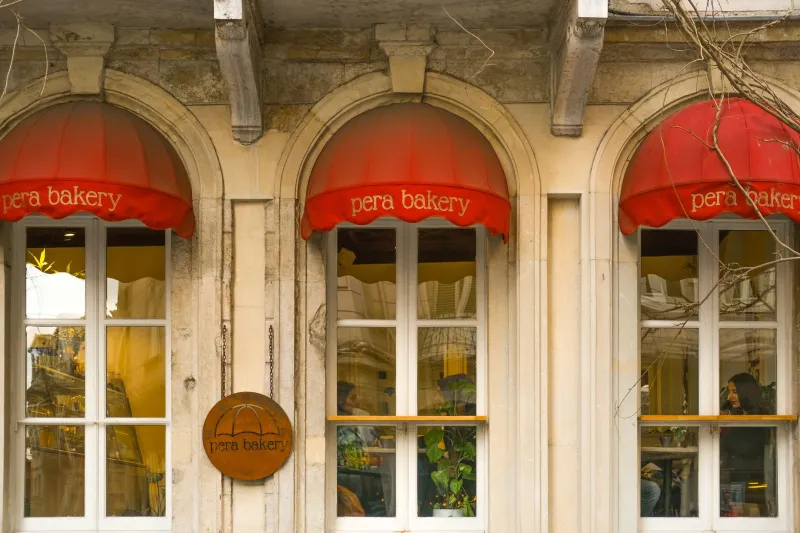
Beylikdüzü rearranged my sense of scale. The bakery is not a destination. It is a corner. The manav, the greengrocer, is a short walk. The pharmacy is closer than my car. The park is not a weekend outing; it is a loop after dinner. Coffee is not a drive-through ritual but a five-minute pause where the barista learns your order.
At first, I treated these places as an inconvenience. I wanted one big trip. I wanted a list and a trunk. Instead, I got a rhythm: bread in the morning, vegetables in the afternoon, a simit on the way home. The errands did not disappear. They broke into smaller pieces and folded into the day. That felt inefficient for about two weeks. Then it felt obvious.
What Feels Free
Freedom here is not the open road. It is the lack of a required vehicle for small things. You can leave the apartment for milk and come back with milk, a conversation, and a better sense of the weather. Kids walk. Older neighbors walk. The neighborhood becomes legible at human speed.
There is also a kind of financial freedom in buying only what you can carry. A giant supermarket run encourages stocking up. A five-minute walk encourages buying what you need. You waste less. You notice seasons because the produce changes. You notice people because you see them again and again.
What Feels Disorienting
American suburbia trains you to expect space. Wide roads. Big parking lots. A clear separation between home and commerce. Beylikdüzü collapses that separation. Shops sit under apartments. Sidewalks are uneven. Delivery scooters appear from nowhere. The pharmacy is close, but the crossing might not be. The bakery is close, but the line at 8 a.m. is not.
I had to learn to leave ten minutes early. I had to learn that rain changes the plan, not just the outfit. I had to learn that a quick errand is also a social event. The bakkal remembers you. The manav asks about the weather. The neighbor sees you in line and expects a hello. In a car, anonymity is easy. On foot, you are visible.
The Social Ledger of Proximity
That visibility is the part Americans underestimate. It is warm, and it is intrusive. The shopkeeper knows your brand. The neighbor knows your schedule. The park knows your dog. You cannot slip through the day unnoticed. For some people, that is community. For others, it is a low-grade performance.
I learned a few phrases that softened the edges: kolay gelsin, a wish for easy work; afiyet olsun, enjoy your meal; iyi günler, good day. They are not magic. They are small acknowledgments that shared space is shared. The more I used them, the less I felt like a stranger in a carless world.
Closeness Is Not Automatic
Walkability is not a moral achievement. It is infrastructure plus culture plus weather plus habit. Beylikdüzü has the coastal promenade, the shopping streets, the parks, and the daily traffic of people who expect to walk. It also has traffic, heat, and crossings that could be kinder. The point is not that everything is perfect. The point is that the scale is human enough to make walking normal.
There are days I miss the trunk of a car. A big grocery run, a piece of furniture, a trip to the airport: the car still earns its place. But the car is no longer the default. It is a tool for specific jobs, not the operating system for the day.
A Different Kind of Independence
For American teenagers, the driver’s license is the first real key to freedom. Here, freedom looks different. It is the dolmuş, the bus, the walk, the friend’s parent, the ability to move without asking for a ride. For adults, it is the second glass of wine without a driving decision. For kids, it is the walk to school that does not require a parent in the drop-off line.
That is not a small shift. It changes how you think about time, money, and other people. It makes the neighborhood a place you inhabit rather than a place you leave.
What I Keep
I still keep a car for the big stuff. I still make a list. But I no longer drive for bread. I know the baker’s schedule. I know which pharmacy is open late. I know the park loop that takes exactly fifteen minutes. Closeness, I have learned, is not a feature of a map. It is a practice. You have to walk it into existence.
The Takeaway
If you move to Beylikdüzü from a car-dependent American suburb, expect disorientation. The errands will feel too small. The sidewalks will feel too busy. The social contact will feel too immediate. Then one morning you will walk out for simit and realize you did not think about parking once. The bakery is closer than your car. That is not a loss. It is a different way of being close.